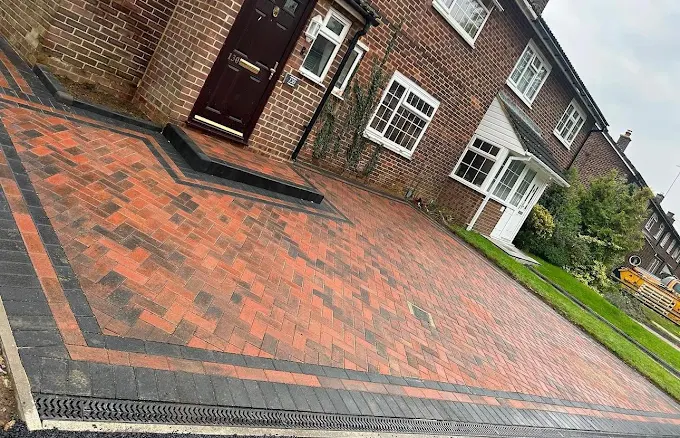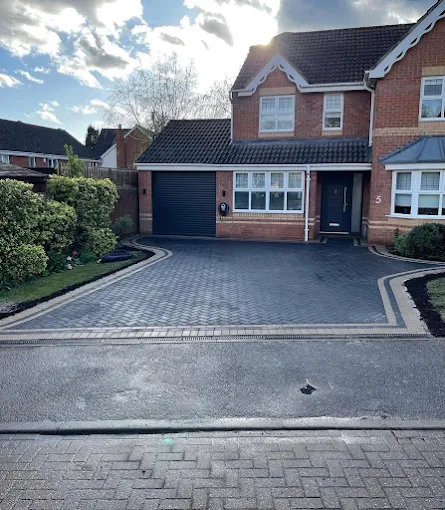
For local homeowners, understanding the resin-bound driveway lifespan in Hertfordshire is important before investing in a new surface. When professionally installed and properly maintained, a resin-bound driveway will typically last between 15 and 25 years. Some driveways may last longer, but their performance depends on groundwork, material quality, drainage, traffic levels and ongoing care.
At Shire General Contracting, we help homeowners across Hertfordshire choose and install driveway surfaces suited to their properties, budgets and long-term needs. This guide explains what affects resin-bound driveway durability and how you can extend the life of your investment.
What Is the Average Resin-Bound Driveway Lifespan in Hertfordshire?
A properly installed resin-bound driveway can normally provide 15–25 years of dependable residential use. However, this range should be considered an estimate rather than a guarantee.
The resin driveway life expectancy depends heavily on what is beneath the visible surface. A driveway laid over a correctly prepared, stable and permeable base will generally last much longer than one installed over weak or moving ground.
Hertfordshire driveways must also withstand regular rainfall, occasional frost, temperature changes and daily vehicle traffic. Professional preparation helps the surface cope with these conditions without premature cracking, sinking or loosening.
Although quality resin is important, workmanship and groundwork often have the greatest effect on the overall resin driveway lifespan in the UK.
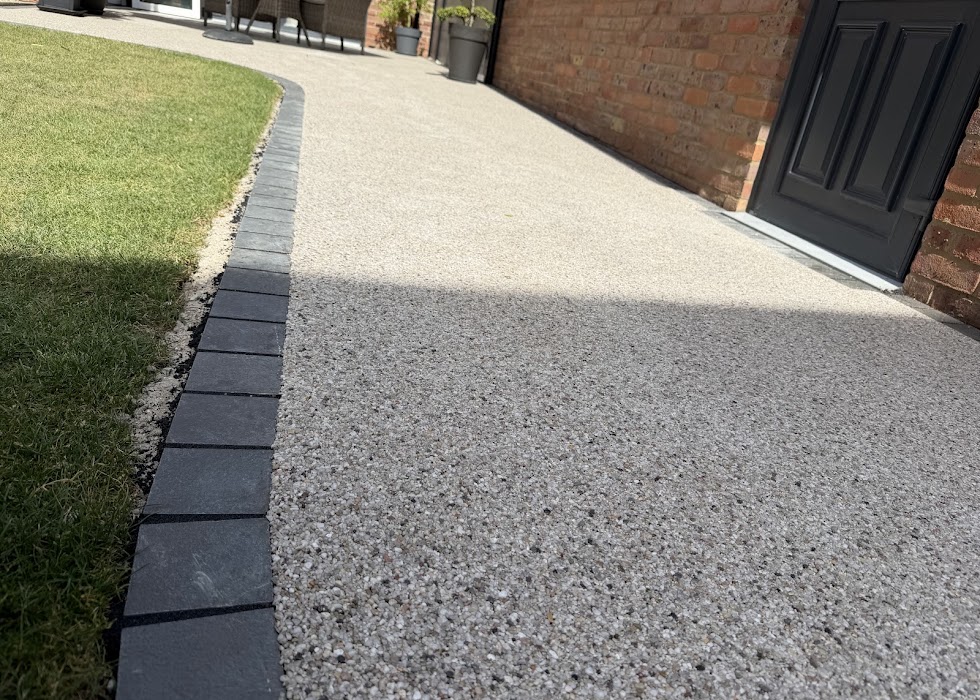
What Determines How Long a Resin Driveway Lasts?
Several connected factors determine whether a resin-bound driveway lasts closer to 15 years or reaches the upper end of its expected lifespan.
Sub-Base Preparation and Ground Stability
A durable driveway starts below ground level. The area must be excavated to an appropriate depth before a strong sub-base is installed and properly compacted.
Depending on the project, resin may be laid over a suitable permeable asphalt or concrete base. If the resin driveway sub-base is unstable, poorly compacted or already cracked, movement can transfer through to the finished surface. This may cause cracking, sinking and uneven areas.
An existing driveway should therefore be carefully assessed before it is used as a base for a resin overlay.
Resin and Aggregate Quality
A reliable installation requires the correct combination of resin and clean, kiln-dried aggregate. The components must be mixed accurately and applied at a suitable depth.
Quality UV-stable resin helps reduce discolouration caused by sunlight, while a suitable aggregate provides strength, texture and visual appeal. Low-quality materials or an incorrect resin-to-aggregate ratio may lead to loose stones, fading and early surface deterioration.
Professional resin driveway installation ensures that suitable materials and application methods are used for the intended traffic level.
Drainage and Permeability
A correctly designed permeable resin driveway allows rainwater to pass through the surface and into an appropriate drainage system beneath it. This helps reduce puddles and surface-water accumulation.
However, a resin surface is not automatically permeable simply because resin-bound material is used. Its performance depends on the complete construction system, including the underlying base and drainage design.
Poor drainage can cause water to collect around edges or enter damaged areas, eventually weakening the driveway. Planning and SuDS requirements can also vary according to the property and drainage arrangement, so these should be assessed before installation.
Vehicle Weight and Daily Use
A residential resin driveway can accommodate normal family vehicles when designed correctly. Frequent use by heavy vans, commercial vehicles or machinery may require a stronger base and a specification suitable for increased loads.
Turning steering wheels while a vehicle is stationary can place additional stress on the surface. Oil, fuel and chemical spills should also be removed promptly to prevent staining or deterioration.
How Does Hertfordshire Weather Affect a Resin-Bound Driveway?
Hertfordshire experiences regular rain, cold periods, occasional frost and summer sunlight. These conditions can expose weaknesses in a poorly installed driveway.
When water enters cracks or unstable sections, freezing and thawing can make the damage worse. Shaded driveways may also develop moss or algae if leaves and organic debris are allowed to accumulate.
A properly installed surface using quality aggregate and UV-stable materials should perform reliably in typical UK weather. Effective resin-bound driveway drainage is particularly important for reducing standing water and maintaining long-term performance.
How Can You Extend the Life of a Resin-Bound Driveway?
Routine resin driveway maintenance is relatively straightforward and can help preserve the surface for many years.
Sweep and Clean the Surface Regularly
Sweep away leaves, soil and debris before they decompose or encourage moss growth. Periodic washing with clean water and an appropriate mild detergent can help maintain the driveway’s appearance.
If using a pressure washer, select a moderate setting and keep the nozzle a safe distance from the surface. Aggressive pressure washing may damage the aggregate or resin.
Remove Stains Promptly
Oil, fuel and chemical spills should be treated quickly using a cleaning product suitable for resin-bound surfaces. Always follow the installer’s or product manufacturer’s advice before applying strong chemicals.
Avoid Excessive Weight and Surface Pressure
Do not regularly park vehicles heavier than the driveway was designed to support. Avoid dragging sharp objects across the surface and minimise turning vehicle wheels while stationary.
Repair Damage Early
Small cracks, loose aggregate, damaged edges or developing drainage problems should be inspected promptly. Early resin-bound driveway repairs may prevent localised damage from spreading and becoming more expensive to correct.
What Are the Signs a Resin Driveway Needs Repair or Replacement?
Warning signs include:
- Cracks that continue to spread
- Loose or missing aggregate
- Sinking or uneven sections
- Water pooling after rainfall
- Separation around edges or drainage channels
- Severe fading or patchy discolouration
- Movement around inspection covers
These resin driveway problems do not always mean the entire surface needs replacing. Local repairs may be possible when damage is limited. If the base has failed across a wider area, reconstruction may provide a more reliable long-term solution.
A professional inspection can identify whether repair, resurfacing or complete replacement is appropriate.
Is a Resin-Bound Driveway a Good Long-Term Investment?
For many homeowners, resin-bound surfacing offers a strong combination of appearance, permeability and manageable maintenance. It creates a smooth, seamless finish and is available in aggregate colours that complement both traditional and modern properties.
The final resin-bound driveway cost in Hertfordshire depends on the driveway’s size, access, groundwork, drainage, aggregate choice and design details. A lower quotation may not offer better long-term value if it excludes proper preparation or uses inferior materials.
A professionally specified driveway may improve kerb appeal and provide dependable everyday use, making it a practical long-term investment.
Frequently Asked Questions
How long do resin driveways last in the UK?
Professionally installed resin-bound driveways generally last 15–25 years. The base, materials, drainage, vehicle use and maintenance determine the actual service life.
Do resin-bound driveways crack?
They can crack if the underlying base moves, groundwork is inadequate or unsuitable materials are used. Correct preparation significantly reduces this risk.
Can a resin driveway be repaired?
Localised cracks, edge damage and loose aggregate can sometimes be repaired. However, achieving an exact colour match with an older surface may be difficult.
How often should a resin driveway be cleaned?
Sweep it regularly and wash it periodically, depending on traffic, shade and surrounding vegetation. Remove oil, leaves and organic debris promptly.
Can resin be installed over an existing driveway?
Sometimes. Existing concrete or asphalt must be stable, undamaged and suitable for the proposed system. A professional site assessment is essential.
Get a Long-Lasting Resin Driveway in Hertfordshire
A long-lasting resin driveway begins with suitable groundwork, effective drainage, reliable materials and professional installation. Shire General Contracting installs resin-bound driveways across Hertfordshire, including Stevenage, Hitchin, St Albans, Hertford, Hatfield, Ware, Harpenden, Letchworth Garden City and Welwyn Garden City.
Contact our team to arrange a free site visit and written quotation.
- Phone: 01438 850 009
- Mobile: +44 7828 061094
- Email: shiregeneralcontracting@gmail.com
- Address: St Albans Rd, Codicote, Hitchin SG4 8SP, United Kingdom
- View Shire General Contracting on Maps